
 August 8, 2025
Modern financial trading demands ultra-fast data processing and rapid response to market changes. To meet these requirements, renting a VPS (Virtual Private Server) for traders can be a game-changer. It allows you to host trading terminals closer to your broker’s servers, reducing latency and ensuring a stable connection – even if your home internet is unstable.
What is a VPS and how does it work for trading?
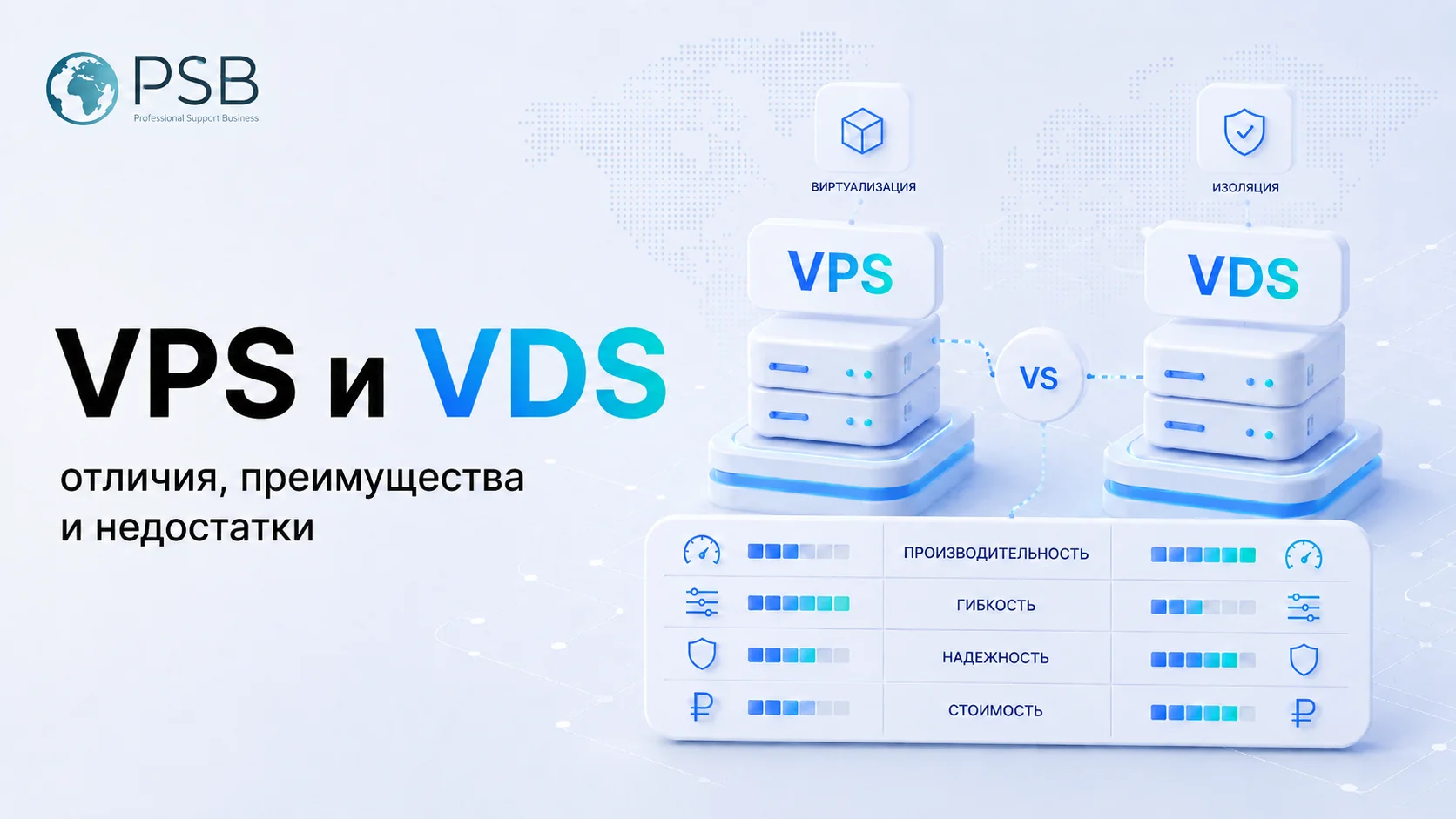
A VPS (Virtual Private Server) is a virtualized environment that allocates a dedicated portion of physical server resources to the user. Thanks to virtualization technology, each trader gets an isolated system that operates independently of others. This setup enables customized operating systems, software, and performance configurations.
In the context of trading – especially Forex – a VPS is a powerful tool that enhances the efficiency of trading operations. These servers are typically hosted in Tier-1 and specialized data centers located near major financial markets.
VPS hosting for traders provides high availability (up to 99.9% uptime) and consistently low ping. Connection to brokers is established via high-speed channels with minimal signal delay, which is especially critical for scalping and algorithmic trading. Automated strategies require constant online presence, and a VPS eliminates issues like power outages or system crashes, enabling 24/7 market monitoring and uninterrupted trade execution.
How a VPS Helps Traders: Key Advantages
Using a VPS in trading comes with several important benefits:
- Resource Efficiency. A virtual private server reduces the load on your home computer. You don’t have to worry about RAM, CPU usage, or electricity consumption during trading sessions.
- 24/7 Operation. Thanks to constant internet connectivity and uninterrupted power supply, your trading terminal stays online around the clock. Even while you sleep or travel, your open positions remain active and under automated control.
- Strategy Testing. VPS allows you to set up a separate environment for backtesting new trading strategies on historical data or demo accounts. This helps validate ideas before applying them to live trading.
- Enhanced Security. VPS servers are hosted in secure data centers with multi-layer protection, including regular backups and DDoS attack prevention – ensuring your data and trades remain safe.
- Minimal Latency. Hosting your VPS close to major stock exchanges reduces signal transmission delay, improving order execution speed. This is crucial for scalping and trading in highly volatile markets.
- Multi-Terminal Management. You can run multiple trading platforms on a single VPS, which makes it easier to manage various instruments and assets at once. It also supports portfolio diversification and better risk control.
Who Uses a VPS in Trading and When It’s Essential
You should consider using a VPS in trading in the following scenarios:
- Scalping and Intraday Trading on News Events. Scalpers rely on capturing small price movements by executing many rapid trades. In this case, every millisecond matters, and minimal latency directly impacts profitability. A VPS ensures timely trade execution and precise order placement.
- Algorithmic Trading. For traders using Expert Advisors (EAs) or bots, a Forex VPS guarantees uninterrupted operation of automated strategies around the clock – without disconnections or crashes.
- Night Trading & Asian Market Sessions. Many Russian traders operate in international markets, especially during the Asian session, which occurs at night in Moscow. A VPS ensures that trading terminals remain active 24/7 – even when the trader is asleep.
- Traders with Unstable Internet. If your home internet is slow or unreliable (frequent disconnections, high ping, jitter), a VPS eliminates this issue by hosting your terminal in a stable, high-speed environment close to broker servers.
- High-Volume or Heavy System Load Traders. Advanced analysis tools, indicators, and strategy-testing modules can consume significant system resources. Hosting your trading environment on a VPS offloads this strain from your personal computer, improving both system performance and trading efficiency.
How to Choose a VPS for Trading
Choosing the right VPS has a significant impact on trading efficiency and success. To select the ideal option, consider the following key factors:
- Data Center Geolocation. This is critical for reducing latency between your VPS and the broker or exchange server. If you're trading Russian stocks on the Moscow Exchange, choose a VPS hosted in Moscow or elsewhere in Russia. For global markets, pick servers close to major financial hubs (e.g., Frankfurt, London, New York).
- Operating System (OS). The most popular operating systems for traders are Windows and Linux: Windows is ideal for users of MetaTrader, QUIK, and other popular trading terminals. It supports a wide range of ready-to-use tools and is beginner-friendly. Linux is known for better performance and flexibility. It suits advanced users who prefer to customize their systems and use custom scripts or services.
- Performance Specs. Look at CPU cores and clock speed, RAM size, and storage type. Choose resources based on the complexity of your trading strategies and analysis software. The more data your tools process, the higher the VPS performance should be.
- Uptime and SLA (Service Level Agreement). Uptime reflects the percentage of time the server is online and operational. Look for providers offering at least 99% uptime. A proper SLA outlines provider obligations (e.g., response time, uptime guarantees) and often includes refund policies in case of downtime.
- Pricing and Plans. VPS pricing depends on location, specs, and features. Match the plan to your trading style and budget—don't overpay for unused capacity but ensure you have enough power for smooth, uninterrupted execution.
Choosing a VPS that aligns with your trading strategy, technical requirements, and location needs will ensure speed, reliability, and better trading outcomes.
Foreign VPS Servers for Trading
Many traders prefer using a foreign VPS server for crypto bots and trading, as it helps reduce latency during order execution and improves trading efficiency. Geographical proximity of servers to major financial centers can significantly lower ping and accelerate trade execution.
Popular regions include:
- Germany – Frankfurt data centers are known for speed and reliability, ideal for trading European securities.
- Switzerland – A neutral country with strong data privacy and fast connectivity to leading global exchanges.
- Singapore – A popular hub for traders active in Asian markets.
- USA – Cloud data centers located in major cities make it a strong choice for trading on American exchanges.
It’s important to consider the legal framework of the country where the server is hosted – especially regarding personal data protection and log storage policies. Some countries strictly regulate data retention and may require providers to hand over user data to law enforcement. The most log-friendly countries are the Netherlands, Sweden, and Canada. Countries with strict data control include the UK, Australia, and China.
When selecting a foreign VPS hosting provider, review their traffic and IP logging policies. Ensure the chosen region offers a high-quality connection to your home country. Use specialized tools like ping and traceroute to measure real response times. Choose providers offering SSL/TLS encryption and robust anti-cyberattack measures.
Compare different providers by weighing price against the amount of resources offered. Pay attention to user reviews, especially those that mention the quality of technical support.
Where to Rent a VPS for Trading: Provider Overview
Choosing the right VPS provider is a crucial step in preparing a professional trader for successful trading. The market offers a wide range of options that vary in price, quality, and other key features.
| Provider | Price ($/mo) | OS | Geo | Locations | Trial | Crypto | Bots | MT4/MT5 |
|---|---|---|---|---|---|---|---|---|
| PSB Hosting | from 6 | Linux, Win | Russia | Netherlands, Germany, Moldova, Hong Kong, USA | No | Yes | ZuluTrade | Yes |
| Timeweb Cloud | from 3 | Linux, Win | Russia | Russia, Netherlands, Kazakhstan, Poland | 5 days | Yes | OKX | Yes |
| Cloud4box | from 5 | Linux, Win | Russia | Russia, USA, Germany | No | Yes | Dash 2 Trade | Yes |
| VDSina | from 5 | Linux, Win | Russia | Russia, Netherlands | No | Yes | 3Commas | Yes |
| Selectel | from 10 | Linux, Win | Russia | USA, EU | 3 days | Yes | ByBit | Yes |
Installation and Setup: How to Connect to a VPS for Traders
To set up a VPS server for Forex trading on Windows, follow these steps:
- Purchase and launch the VPS. Before purchasing, choose a reliable provider that offers good technical specs and responsive support. It's best to go with companies that offer a trial period and transparent service terms. For example, PSB Hosting provides great plans for both beginners and experienced traders.
- Connect to the VPS. To access your server, use the Remote Desktop Protocol (RDP). In the RDP client, enter the previously provided IP address and admin password.
- Install the trading terminal. The most common platforms for VPS trading are MetaTrader 4 and MetaTrader 5. You can download them for free from the official developer's website or your broker’s portal. Once installed, enter your account credentials provided by the broker.
- Secure your VPS. Even the best VPS loses its appeal without proper protection. Use a strong password of at least 12 characters, including letters, numbers, and symbols. Change it regularly. Install reliable antivirus software. Enable the built-in Windows firewall and limit access only to necessary ports. Regularly update the operating system and installed software to fix vulnerabilities.
 Frequently Asked Questions
How fast is a VPS setup for Forex?
Setting up a VPS for Forex trading typically takes between 15 minutes to an hour, depending on the user's experience. Experienced traders can complete the process in just a few minutes.
What should I do if my VPS freezes?
If your VPS suddenly stops responding, try the following:
- Reboot the server through the provider’s control panel.
- Check the status of your VPN connection and your internet connection.
- Contact your hosting provider’s support for help diagnosing hardware or software issues.
Can I trade from my phone while the VPS is running?
Yes, definitely. Once your VPS is running independently, you can monitor and manage trades directly from your mobile device. Install the official MetaTrader app (or other terminal), log into your VPS-linked account, and manage trades remotely.
Do I need a VPS for crypto bots?
Yes, using a VPS is recommended for crypto trading bots. Key reasons include:
- Always-on internet connection without drops or lags.
- 24/7 bot operation without trader intervention.
- Stable, fast connection to cryptocurrency exchanges.
- Strong data and transaction security.
A VPS has become an essential tool for modern traders. It helps increase order execution speed, boosts trading stability, and provides reliable operation. Hosting trading terminals close to major exchanges reduces latency, enabling faster opening and closing of positions – crucial for intraday and high-frequency trading. Autonomous VPS operation allows trading bots to function round the clock without needing your personal device to stay powered on or online.